
Pregnancy can occur if sperm reaches an egg. Contraception aims to prevent this by keeping the egg and sperm apart or by stopping egg production. One method of contraception is family planning.
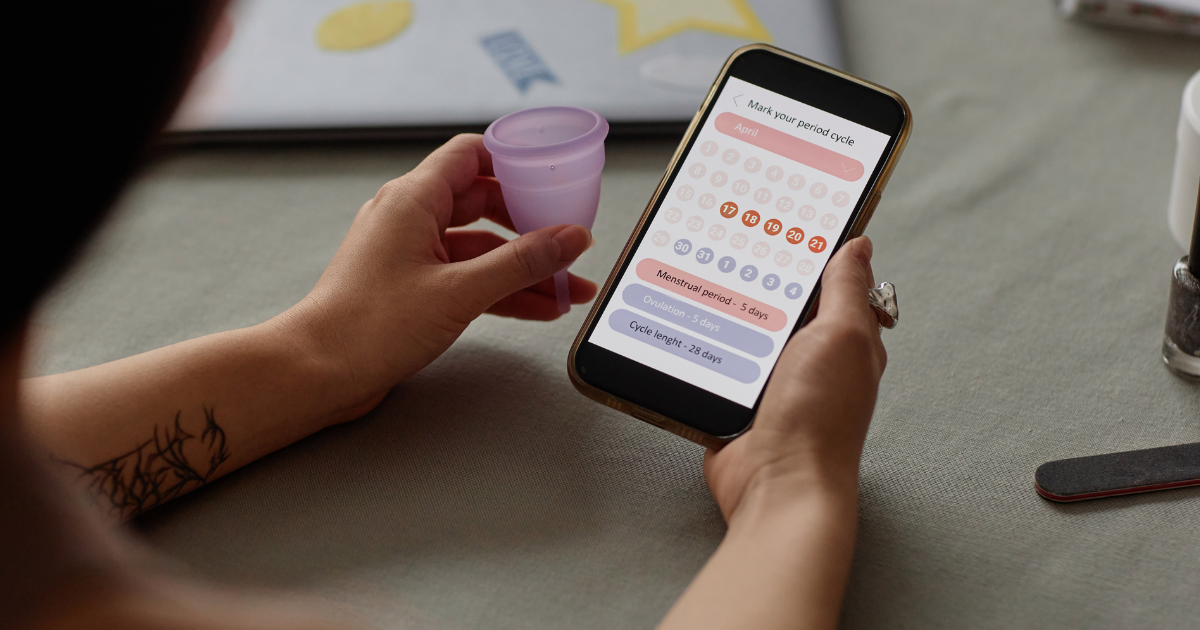
Ffamily planning helps identify times during the month when sex can take place with a reduced risk of pregnancy, without using contraception. This method is also called fertility awareness.
It works by tracking when a person is fertile and when they’re not. You learn how to monitor fertility signs, such as body temperature and cervical secretions (fluids or mucus), to identify safer times to have sex. The method is more effective when multiple fertility indicators are used.
Family planning needs to be taught by a specialist and cannot be reliably learned from a book.
At a Glance: Key Facts
- If not followed accurately, the effectiveness may drop to around 75% due to user error.
- There are no physical side effects.
- It allows for planning of pregnancy as well as prevention.
- It requires keeping a daily record of fertility signs (like temperature and cervical fluids) and takes about 3–6 monthly cycles to learn.
- Fertility signals can be influenced by illness, stress, and travel.
- If you want to have sex during your fertile period, use barrier methods like condoms, diaphragms, or caps.
- Using condoms also helps protect against sexually transmitted infections (STIs).
How It Works
Natural family planning aims to prevent pregnancy by avoiding sex or using barrier methods during the fertile window. It involves monitoring signs and symptoms to identify when fertility is highest.
Learning from a qualified teacher is essential. Visit the Fertility UK website to find instructors near you.
This guide is intended as an overview and should not replace proper training.
Fertility Indicators
To increase effectiveness, combine these three indicators:
- Daily body temperature readings
- Cervical secretions (mucus)
- Menstrual cycle length
Understanding the Menstrual Cycle
A menstrual cycle runs from the first day of a period to the day before the next one begins. Cycles can vary from 24 to 35 days, though longer or shorter is possible. The average is 28 days.
Ovulation
During the cycle:
- Hormones signal the ovaries to mature and release an egg.
- Ovulation happens about 10–16 days before the next period.
- Occasionally, two eggs may be released within 24 hours.
Because sperm can survive for up to 7 days, and ovulation can vary, tracking needs to be precise. It's recommended to monitor cycles for at least 12 months to improve accuracy.
Cycle length alone is not a reliable fertility indicator.
Temperature Method
This method is based on the slight temperature rise after ovulation.
Use a digital thermometer or one made for fertility tracking.
Take your temperature each morning before getting out of bed, eating, drinking, or smoking.
Watch for three consecutive days when your temperature is higher than the previous six days—this signals you're likely no longer fertile.
Cervical Secretions Monitoring
Cervical mucus changes throughout the cycle.
- After a period, there may be little or no mucus.
- As ovulation nears, mucus becomes moist, sticky, white, and creamy.
- Just before ovulation, mucus is clear, slippery, and stretchy (like raw egg white)—this is the most fertile time.
- After ovulation, mucus thickens and becomes sticky again. You’re typically no longer fertile after three dry days.
Combining Methods
Using all three indicators together gives the most accurate fertility picture. You can:
- Use fertility charts (available online) to track signs.
- Try apps or computer software to log and monitor your data.
Are fertility tracking apps reliable?
There are phone apps that you can use to record your temperature which will then calculate when you are fertile for you. This can reduce the risk of human error, butut the reliability and effectiveness of these apps are not known.
Your menstrual cycle and ovulation signals (temperature) can be affected by many factors – for example, maybe you’ve gone on holiday and you’re in a different time zone, or maybe you’re stressed or ill – The app won’t know this and could then mistakenly give you the go ahead to have unprotected sex when you are actually fertile.
These apps also collect your personal data.
Effectiveness
When used perfectly, natural family planning is up to 99% effective. But because real-life use often includes mistakes, the typical effectiveness may be closer to 75%.
Consistency, accuracy, and proper training greatly improve success rates.
Who Can Use It?
Family planning is suitable for many people, but it may not be appropriate if:
- You have a condition that makes pregnancy dangerous (e.g., certain heart conditions or high blood pressure).
- You’re on medication or have health concerns that could affect the baby.
- Your periods are irregular, making fertile days hard to predict.
- You have an infection or medical condition that affects fertility signs (e.g. PID, STIs, thyroid issues, PCOS).
- You’re taking medications that alter cervical mucus (e.g., lithium, older antidepressants).
- You’re at increased risk of STIs due to multiple partners.
Fertility awareness is suitable for someone who
-
Has been having periods for several years: your menstrual cycle is less likely to be regular if it only started recently. This method is therefore not recommended as a form of contraception for teenagers.
-
Is organised – they can remember to keep a thermometer by their bed and something to record the results in
-
Is committed and motivated to following the method
-
Doesn’t drink much alcohol and doesn’t get hangovers
-
Wakes up at the same time every day and doesn’t have lie-ins
-
Has regular menstrual cycles
-
Has a routine and doesn’t do shift work
-
Don’t travel much (especially in different time zones)
-
Doesn’t suffer from stress
-
Will use alternative contraception on fertile days
-
Doesn’t have casual sex (it is easier to follow with the support of your sexual partner)
-
Wouldn’t be devastated if they got pregnant in the next year, asother methods are far more effective.
What Affects Fertility Signs
Fertility signs may be disrupted if you:
- Have recently stopped hormonal contraception
- Had a miscarriage, abortion, or recently given birth
- Are breastfeeding
- Frequently travel across time zones
- Have vaginal infections (e.g., thrush or STIs)
- Are sick, under stress, or on certain medications
Advantages and Disadvantages
| Advantages | Disadvantages |
|
No side effects |
Does not protect against STIs |
| Compatible with all faiths and cultures |
Requires avoiding or protecting sex during fertile times (which could be up to 16 days) |
| Useful for both avoiding and achieving pregnancy | Less effective if not used precisely |
| Doesn’t require medication or devices | Demands commitment, consistency, and daily tracking |
| Encourages awareness of reproductive health | Not suitable for people with very irregular cycles |
| Can strengthen communication and trust between partners | Fertility signals can be affected by external factors |
Lactational Amenorrhoea Method (LAM)
LAM is a method based on the natural infertility that occurs when a person is exclusively breastfeeding a baby under 6 months old.
It’s considered reliable if:
- There are no periods at all (complete amenorrhoea)
- The baby receives only or almost only breast milk
- The baby is under six months old
When used correctly, only 1 in 200 may become pregnant. However, it becomes unreliable when:
- Other food or drink is introduced
- Breastfeeding frequency drops
- The baby reaches six months old
Pregnancy can happen before periods return, as ovulation comes first.
Where to Get Contraception
Contraception is free via the NHS. You can get it from:
- Some GP surgeries – talk to your GP or practice nurse
- Find your nearest sexual health clinic in Bexley
If You’re Under 16
Contraception is confidential, even if you’re under 16. Healthcare professionals won’t tell your parents as long as they believe you understand your choices.
They may only break confidentiality if they think you’re at serious risk of harm and they’ll try to discuss it with you first.
Commonly asked questions:
‘Can I use fertility tracking methods if I have irregular periods?’
If you have irregular periods, it can be difficult to work out when you are fertile. it’s best to use a different method of contraception that will be more reliable and effective.
‘What should I do if I want to have sex during my fertile time?’
I you want to have sex during your fertile time; you should use contraception such as condoms or avoid vaginal sex. If you’re unsure if you are fertile, its best to use contraception.
‘Can I just use the pull-out method?’
No – pulling out is not a method of contraception and is not an effective way of preventing pregnancy.