
A period, also known as menstruation, is the part of the menstrual cycle where blood is shed from the vagina.
What is a period?
Between the ages of 8 and 15, girls and people with vaginas begin their monthly cycle known as the menstrual cycle. This is what makes pregnancy possible.
Every month, the ovaries release an egg – this is called ovulation. This egg travels down the fallopian tubes to the uterus, also called the 'womb'.
At the same time, the lining of the uterus thickens with blood and body tissue – this is to prepare for a pregnancy as the blood and tissue will provide nutrients for a foetus.
Once an egg has been released, if it was not fertilised by a sperm (which is what causes pregnancy) then it is shed through the vagina along with the lining of the womb. This is a period.
How long do periods typically last?
Period bleeding will usually last for 2-7 days.
Periods usually happen every four to five weeks, so once a month. However, some people will have a longer or shorter gap between periods.
Periods continue throughout your life unless you become pregnant or when you reach menopause, which usually happens between the ages of 44 and 56. This is when you stop being able to get pregnant and your periods stop, too.
Find out more about menopause here.
When is a period irregular?
Some people might find that the gap between their periods changes. This is called having an irregular cycle or irregular periods.
Having an irregular cycle doesn’t always mean that there is anything wrong, but it’s a good idea to see your GP to check. What an irregular period looks like, will depend on how long you’ve had periods for.
Within the first year of starting your period:
-
Irregular periods are normal
-
They might happen every few months
-
You might skip a month
Within the first 3 years of starting your period:
-
Irregular periods last less than 21 days
-
Irregular periods that last more than 45 days
3 years or more after your period started:
-
Irregular periods last less than 21 days
-
Irregular periods that last more than 35 days.
-
You have less than 8 cycles per year
Period blood: colour, amount, texture
How much period blood is normal?
It’s usually about one to five tablespoons’ worth of period blood that leaves your body during your period (around 20-90ml). Most people who have periods say that it feels like a lot more blood than that every cycle.
Most people will have less blood at the start of their period and the very end, but some people may have little blood throughout their period or a constant flow. Depending on whether they are at the start, middle, or end of their period, people may choose to use different period products to work best with the amount of blood they are losing at that time. Figuring out what your normal period looks like will help you to prepare for it each month and know when something isn't your usual.
You may hear people say they are having a 'light' period, which means they have less blood, or a 'heavy' period, which means they have a lot of blood.
What does period blood look like?
It’s normal if:
-
Period blood isn’t red – it can be any colour from bright pink to red to brown.
-
The blood changes during your period, so it might look different at the start compared to the end of your period.
-
The blood is watery or quite thick, or the consistency seems to change from one day to the next.
-
You see ‘lumps’ in the blood – these are blood clots and are nothing to worry about.
-
Bleeding stops and starts – you may bleed for a few hours and then stop for a few hours. Or you may stop bleeding all through the night, or all through one day.
-
Sometimes your period is a bit lighter or heavier than normal.
-
You see some spots of blood a few days before or a few days after your period.
-
You think it’s your period is over but then it starts again.
The important thing is to look out for what is not typical for you: so, if your period seems to have changed from what is usual for you, it may be worth speaking to a healthcare professional.
How does a period feel?
Each person will experience different symptoms when on their period, but here are some of the most common ones:
-
Stomach cramps
-
Back and hip pain
-
Hot flushes
-
Period poops – may be soft or hard
-
Almost like you’re wetting yourself
Sometimes you won’t feel anything at all
The important thing is to look out for what is not typical for you: so, if your period seems to have changed from what is usual for you, it may be worth speaking to a healthcare professional.
How does a period feel?
Each person will experience different symptoms when on their period, but here are some of the most common ones:
-
Stomach cramps
-
Back and hip pain
-
Hot flushes
-
Period poops – may be soft or hard
-
Almost like you’re wetting yourself
-
Sometimes you won’t feel anything at all
Period Products
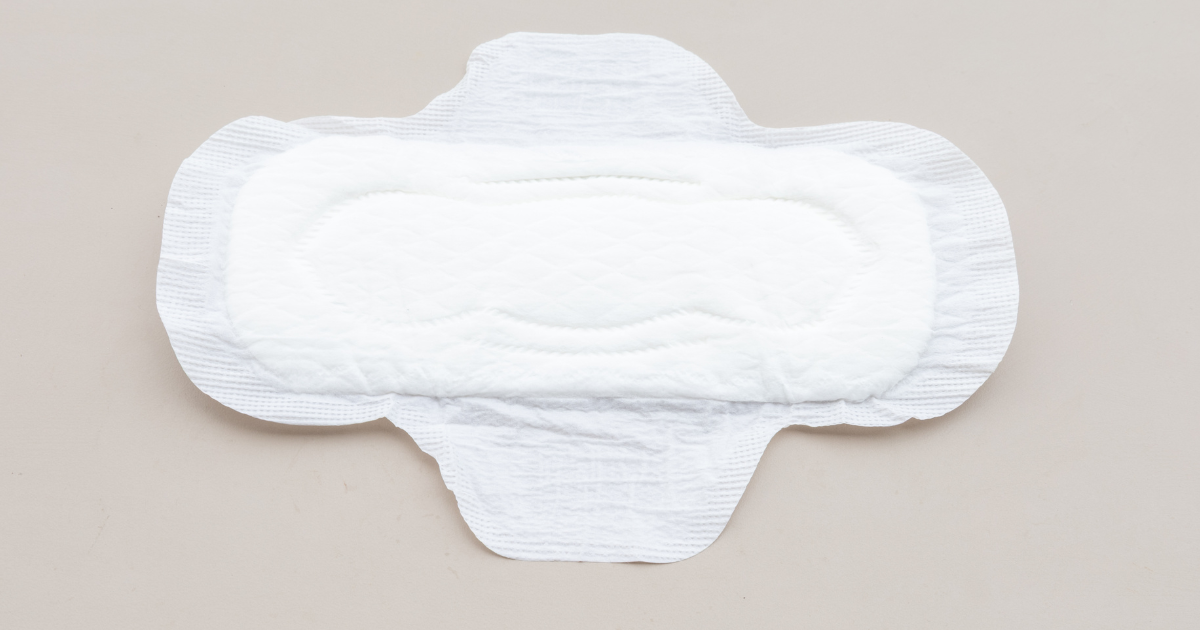
Period pads
Period pads are absorbent pads that stick to the inside of underwear. They come in various sizes and absorbencies, from thin pads for light flow to thick or overnight pads for heavy flow. Some have wings to help them stay in place. Organic pads are available for sensitive skin and are more eco-friendly, often compostable and free from chlorine or harsh chemicals. You should change your pad every 3 - 4 hours, unless you are having a heavy flow.
Tampons
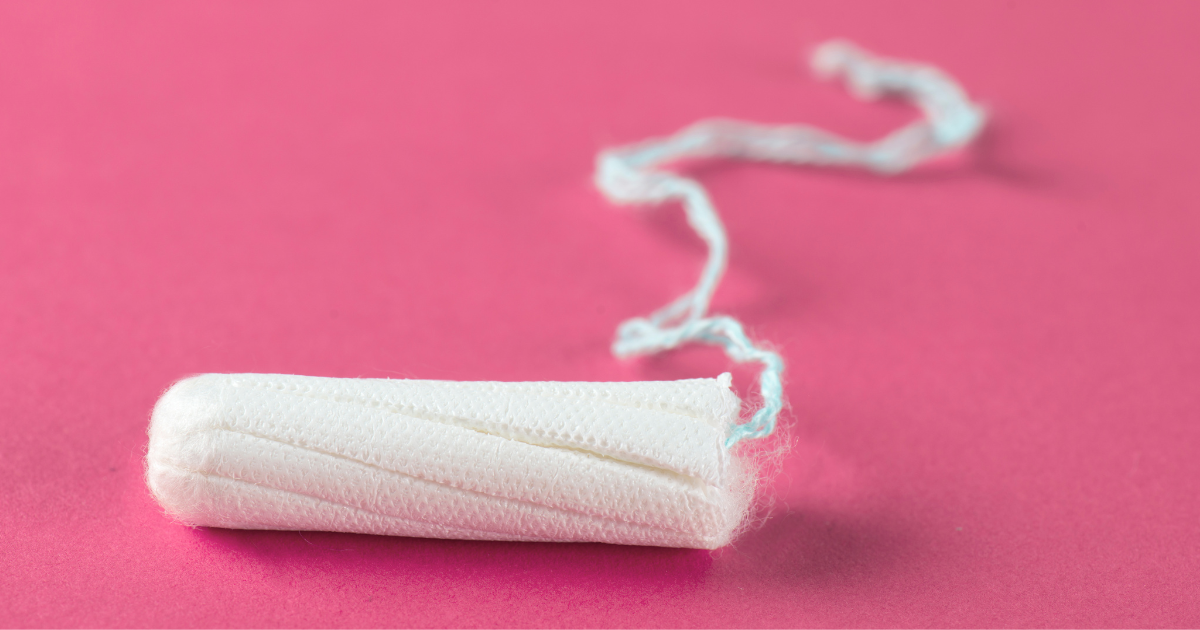
Tampons are inserted into the vaginal canal to absorb menstrual flow internally. They come in different absorbencies (light, regular, super) and can be disposable or organic. Tampons are discreet and convenient for swimming or active lifestyles. Some users prefer tampons with applicators for easier insertion.
Menstrual cups
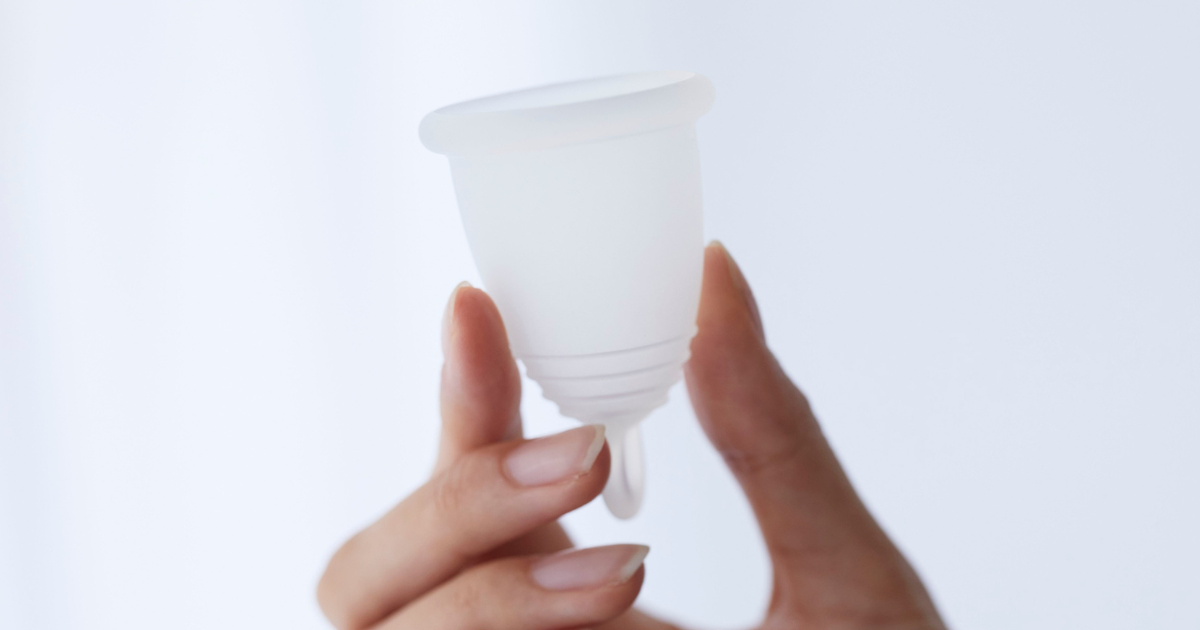
Menstrual cups are reusable silicone or TPE cups inserted into the vaginal canal. They collect menstrual fluid rather than absorbing it. Cups can last 5–10 years, making them cost-effective and environmentally friendly. They typically hold 30–40 ml of fluid, reducing the number of changes needed per day. A short learning curve is involved, usually 2–3 cycles to master insertion and removal.
Menstrual discs
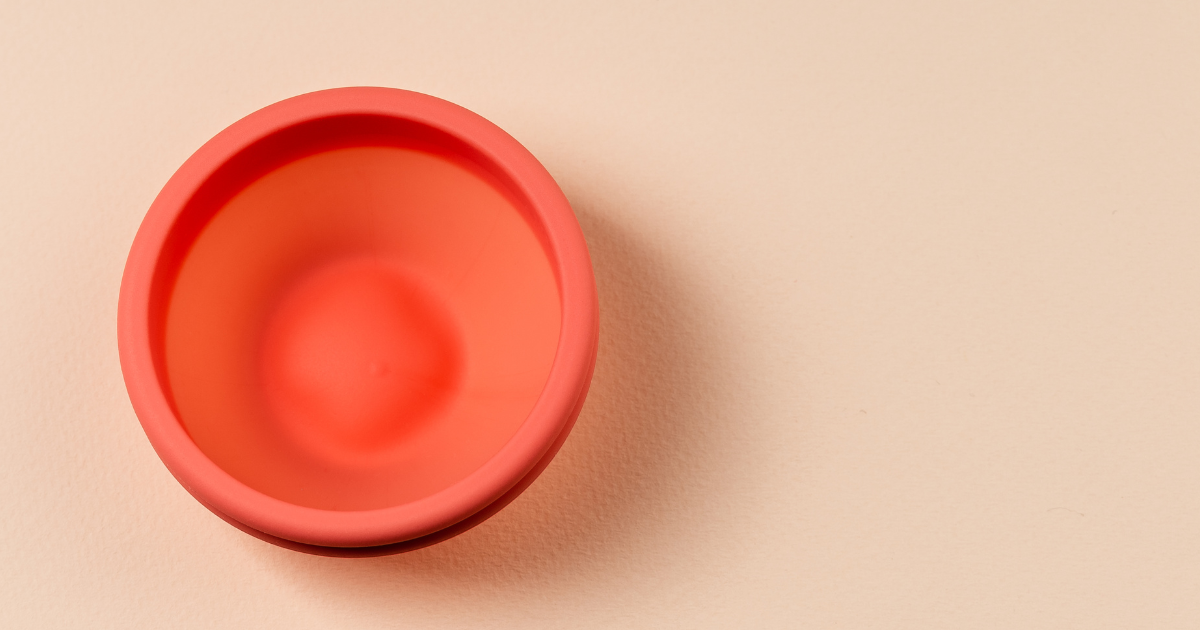
Menstrual discs are shallow, flexible discs that sit behind the pubic bone. They can be disposable or reusable and are designed to collect menstrual flow. Discs are suitable for long wear and can be used during intercourse, offering flexibility for active users.
Period underwear
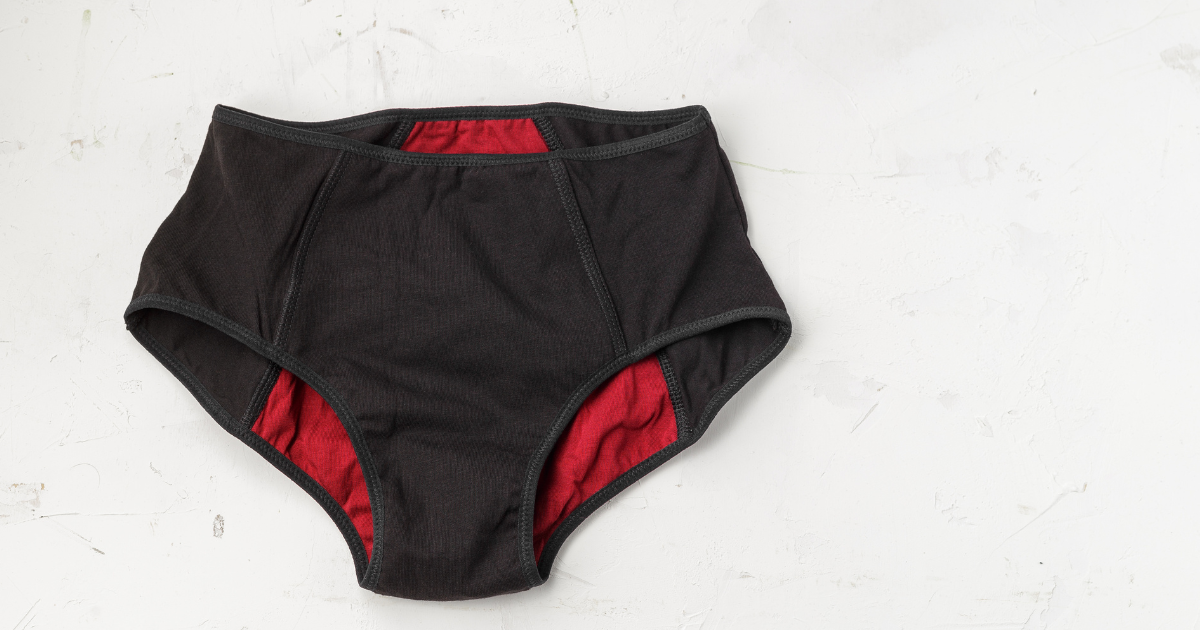
Period underwear has absorbent layers built into regular-looking underwear. They can be worn alone or as backup with other products, especially on heavy flow days, and then washed so that they can be reused. Reusable for 2–3 years, they are discreet, comfortable, and eco-friendly. They are ideal for everyday wear, sleeping, or as a backup to cups or discs. Period underwear also comes in various styles including boxer or 'boy-shorts'.
LGBTQIA+ and periods
If your gender is different from your assigned birth and you have periods, you may find them triggering or dysphoric. It is important to remember that having a period doesn't make you any less valid in your gender identity.
If you are trans+, you may struggle with:
-
Seeing period blood
-
Purchasing and/or using period products
-
Inserting a tampon
-
Wearing a chest binder whilst on your period – because your chest becomes more sensitive or swollen on your period, its best to avoid wearing one during your first few days of bleeding
-
Using a public toilet that doesn’t have designated bins for your used period products
However, there are ways you can navigate periods in a less dysphoric way:
-
Try period underwear or boxers
-
Try period cups (also called moon cups) as these hold more blood and need to be change less frequently
Speak with your GP or sexual health clinic to see what birth control options are available to you that can stop or decrease your period – however, if you are currently undergoing HRT and are taking testosterone, this may not be the best route for you.
PMS – Premenstrual Syndrome
PMS (premenstrual syndrome) is the name for the symptom's girls, women and those who have a period, can experience in the weeks before their period. It can affect anyone who has periods.
Symptoms can vary from person to person, period to period, but here are some of the most common:
-
mood swings
-
feeling depressed or irritable
-
feeling upset, anxious or emotional
-
tiredness or trouble sleeping
-
bloating or cramping
-
breast tenderness
-
headaches
-
spotty skin
-
greasy hair
-
changes in appetite or food cravings
No one knows exactly what causes PMS, but it’s thought to be linked to the drop in hormone levels.
There are ways to help manage the symptoms of PMS:
-
Exercise regularly
-
Try to eat a healthy and balanced diet – some people find eating smaller portions every 2 to 3 hours helps
-
Get plenty of sleep
-
Try to reduce stressors
-
Take painkillers such as ibuprofen or paracetamol to ease the pain
-
Keep a diary to track your symptom for at least two period cycles – this can then be used when speaking with your GP
When to see a doctor
Everyone’s period is different which it is important to know your own normal and take note if anything changes.
If you notice anything outside the normal for you, it’s a good idea to tell someone or speak to your GP.
Some things to look out for are:
-
Blood clots measuring over 2.5cm, or noticeably more clots than usual
-
Obviously lighter or heavier periods for several cycles
-
Pain during your period that painkillers don’t help with and affects your daily life
-
Irregular periods – if your periods are still irregular after two years of having them, or have suddenly become irregular
There might be nothing wrong but it’s a good idea to check with a doctor.
PMS – Premenstrual Syndrome
PMS (premenstrual syndrome) is the name for the symptom's girls, women and those who have a period, can experience in the weeks before their period. It can affect anyone who has periods.
Symptoms can vary from person to person, period to period, but here are some of the most common:
-
mood swings
-
feeling depressed or irritable
-
feeling upset, anxious or emotional
-
tiredness or trouble sleeping
-
bloating or cramping
-
breast tenderness
-
headaches
-
spotty skin
-
greasy hair
-
changes in appetite or food cravings
No one knows exactly what causes PMS, but it’s thought to be linked to the drop in hormone levels.
There are ways to help manage the symptoms of PMS:
-
Exercise regularly
-
Try to eat a healthy and balanced diet – some people find eating smaller portions every 2 to 3 hours helps
-
Get plenty of sleep
-
Try to reduce stressors
-
Take painkillers such as ibuprofen or paracetamol to ease the pain
-
Keep a diary to track your symptom for at least two period cycles – this can then be used when speaking with your GP
When to see a doctor
Everyone’s period is different which it is important to know your own normal and take note if anything changes.
If you notice anything outside the normal for you, it’s a good idea to tell someone or speak to your GP.
Some things to look out for are:
-
Blood clots measuring over 2.5cm, or noticeably more clots than usual
-
Obviously lighter or heavier periods for several cycles
-
Pain during your period that painkillers don’t help with and affects your daily life
-
Irregular periods – if your periods are still irregular after two years of having them, or have suddenly become irregular
There might be nothing wrong but it’s a good idea to check with a doctor.
Commonly asked questions:
'Are period poops a real thing?'
You might notice that in the days leading up to your period or during your period you may poo more or have diarrhoea. This is completely normal! As your body is preparing to shed the lining of your uterus it produces prostaglandins which cause your uterus to contract but also cause your stool to move quicker through your intestines.
It’s also normal to experience the opposite, constipation.
'If I use a tampon, does that mean I have lost my virginity?'
No, using a tampon does not mean you have lost your virginity. Virginity is a social and personal concept, not determined by tampon use or the state of the hymen. If you have never had penetrative sex or used a tampon before, you may find it more difficult to insert and will need to use a smaller size to begin with.
'Can I have sex on my period?'
It’s perfectly safe from a health point of view to have sex on your period – although you can still get pregnant as a result! Be sure to use contraception, if you don’t want to get pregnant, and to use condoms to protect against sexually transmitted infections.
Period sex can sometimes get messy, too, because of the blood – so think about putting down an old towel first to soak up any escaping fluids!